
Make Films Look Good Again
Disclaimer: I am probably not qualified to criticize tv shows or films other than the fact that I have consumed many when I am procrastinating. I will be unable to defend myself in the face of arguments such as “if you think it’s bad, why don’t you go make a better film?”. This is just a way for me to put my thoughts into words. If you are offended, that’s too bad.
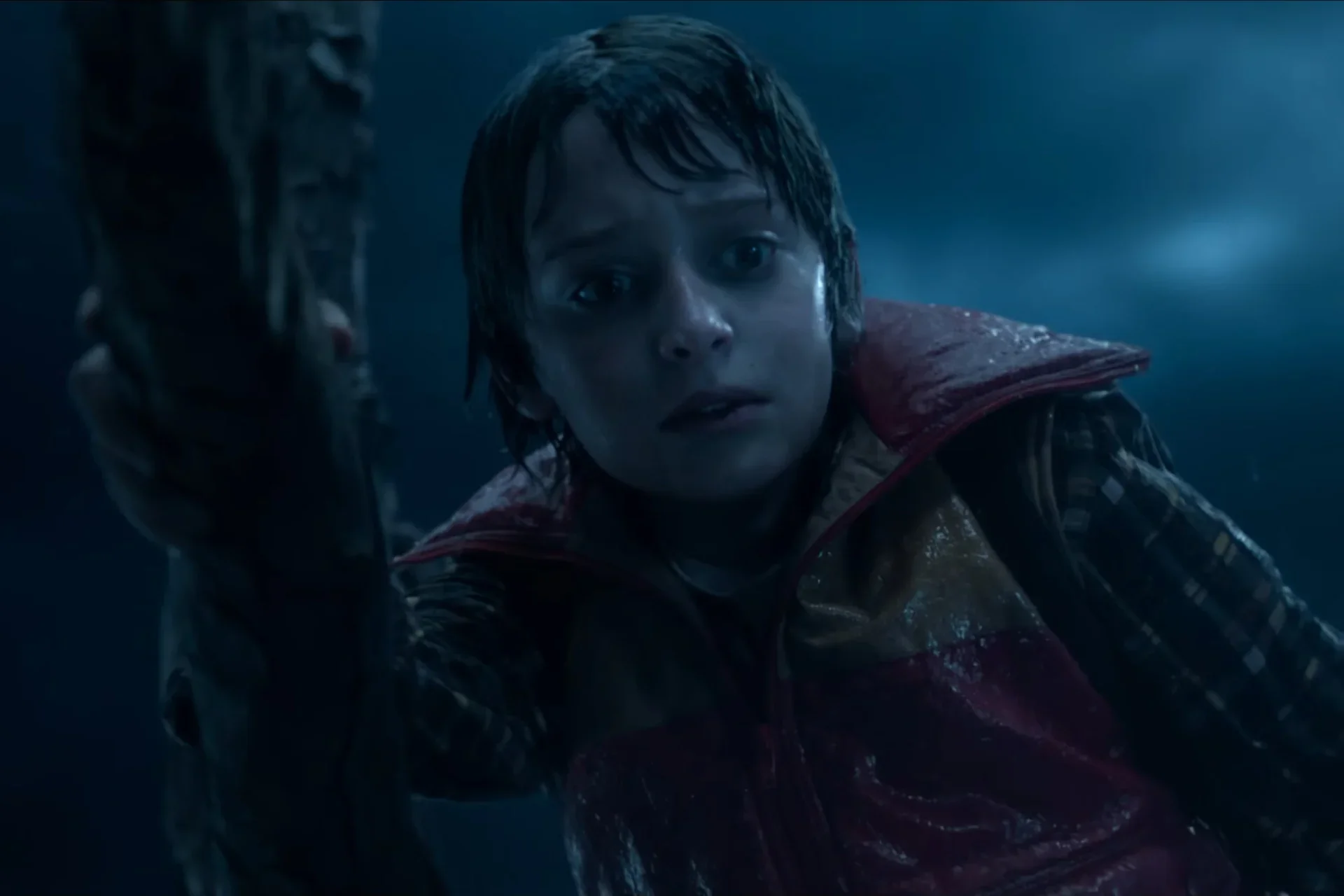
After watching the final episodes of Stranger Things, one could not help but wonder: What the hell went wrong?
If I were to list every problem in the final season, this article would become too long to read: plot holes, CGI effects, dialogues, acting, immortal main characters…..
…… And in particular: the cinematography.
The purposes of cinematography include but are not limited to: creating atmosphere, reflecting character emotions, hinting at story development…. It is what makes a film look “good”.
Flat lighting, uninteresting framing, low contrast imagery and the overuse of shallow depth of fields.
These traits are ubiquitous in films and tv shows made in the past decade.
Modern films and tv shows look so “clean” and “perfect”, yet the sense of realism is out of the window.
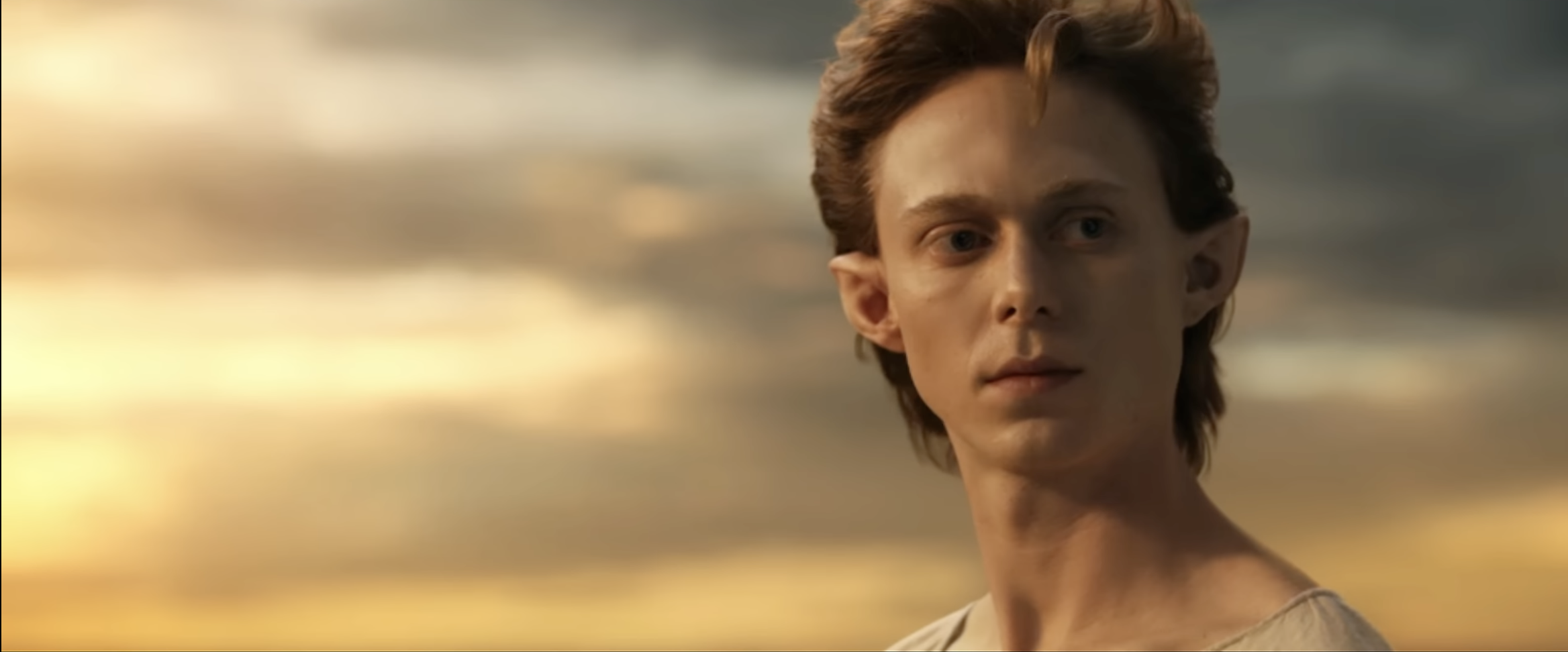
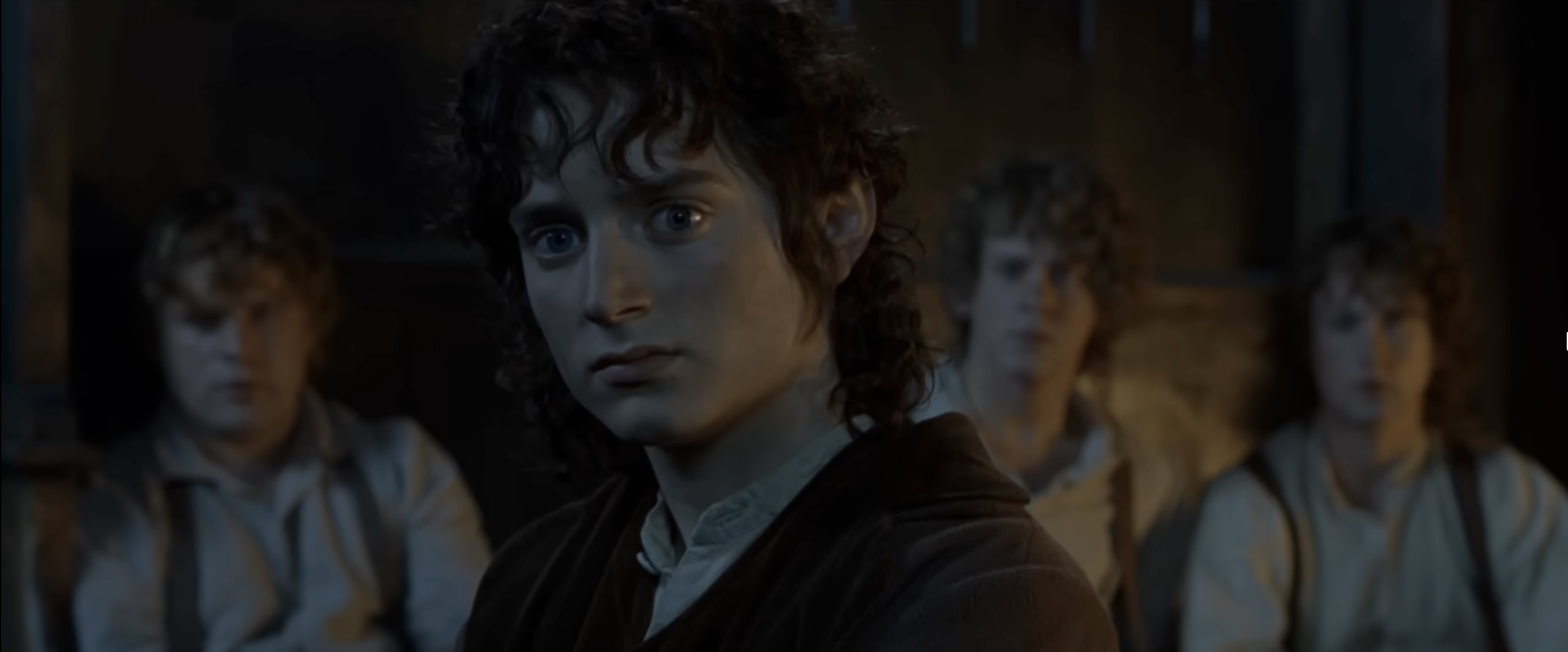
Why does Lord of the Rings(2001) look better than Rings of Power (2022)?
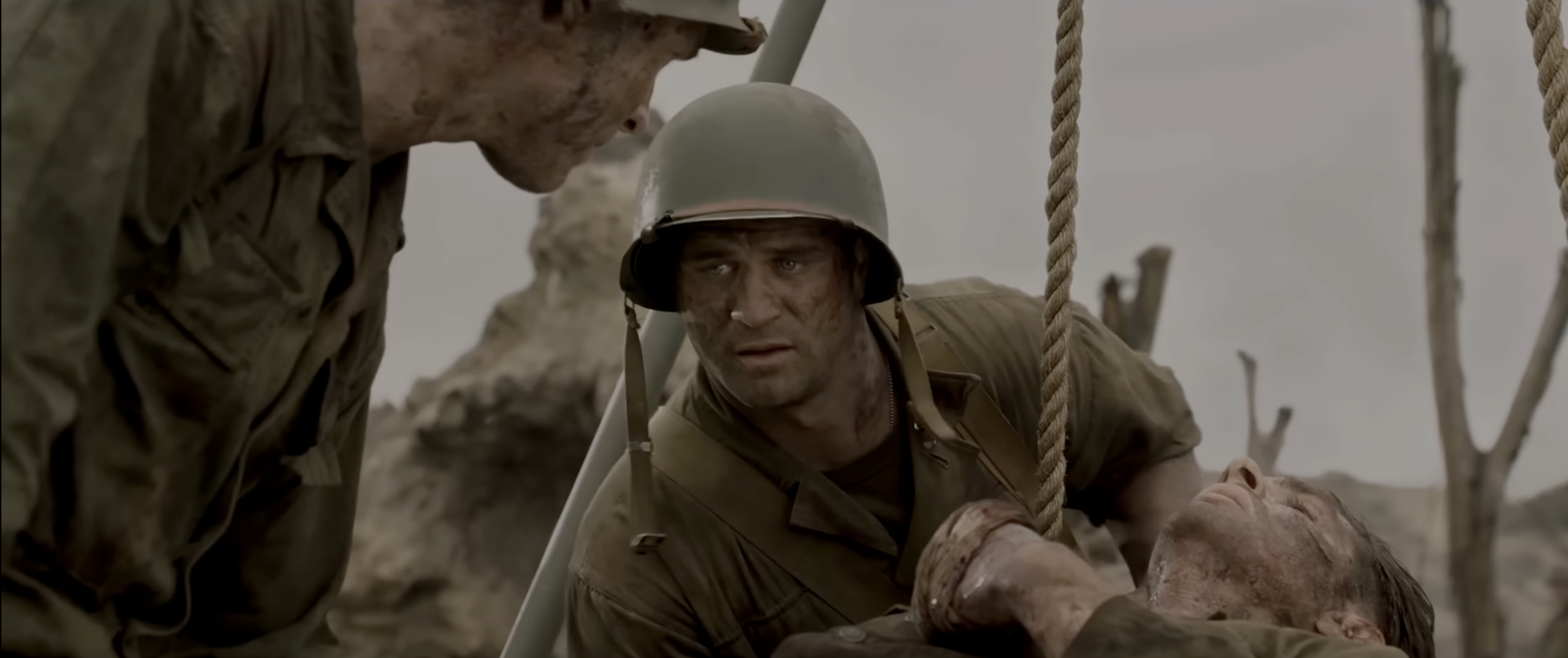
Why does Saving Private Ryan(1998) look more realistic than Hacksaw Ridge (2016)?
The camera technology has drastically improved, but why do we look at better images and think that they look worse?
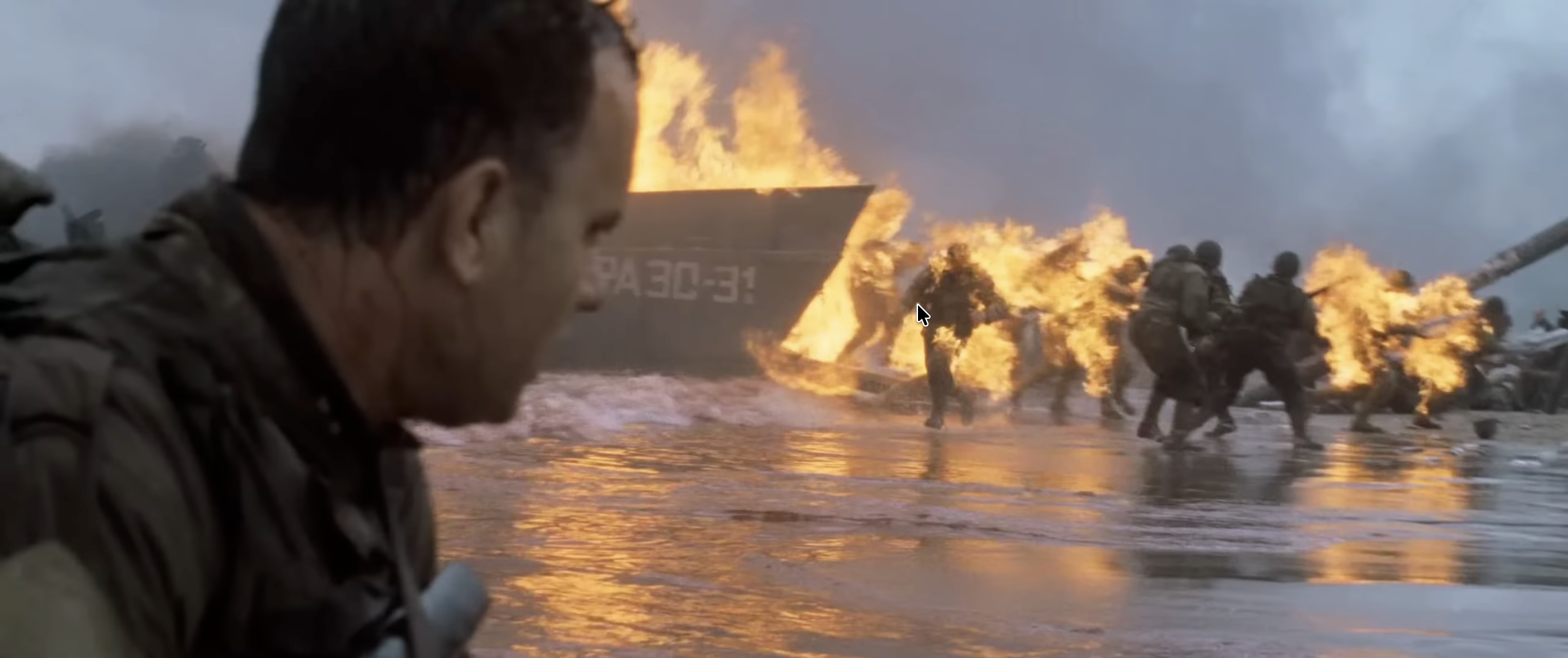
Many would argue that the reason why films look “cinematic” is because they were shot on film cameras. This is not true. Wonder Women was shot on film cameras yet it looks like a cartoon. Gone Girl was shot on digital cameras but I would not think twice if I was told that it was shot on film. Digital cameras are not intrinsically evil. Like film cameras, they are merely tools for storytelling.
“Think of a camera not as a look maker, but merely as a data collection device. The aesthetics we desire are predominantly downstream in the processing pipeline by what we do with the data, not with which instrument collects the data. ”
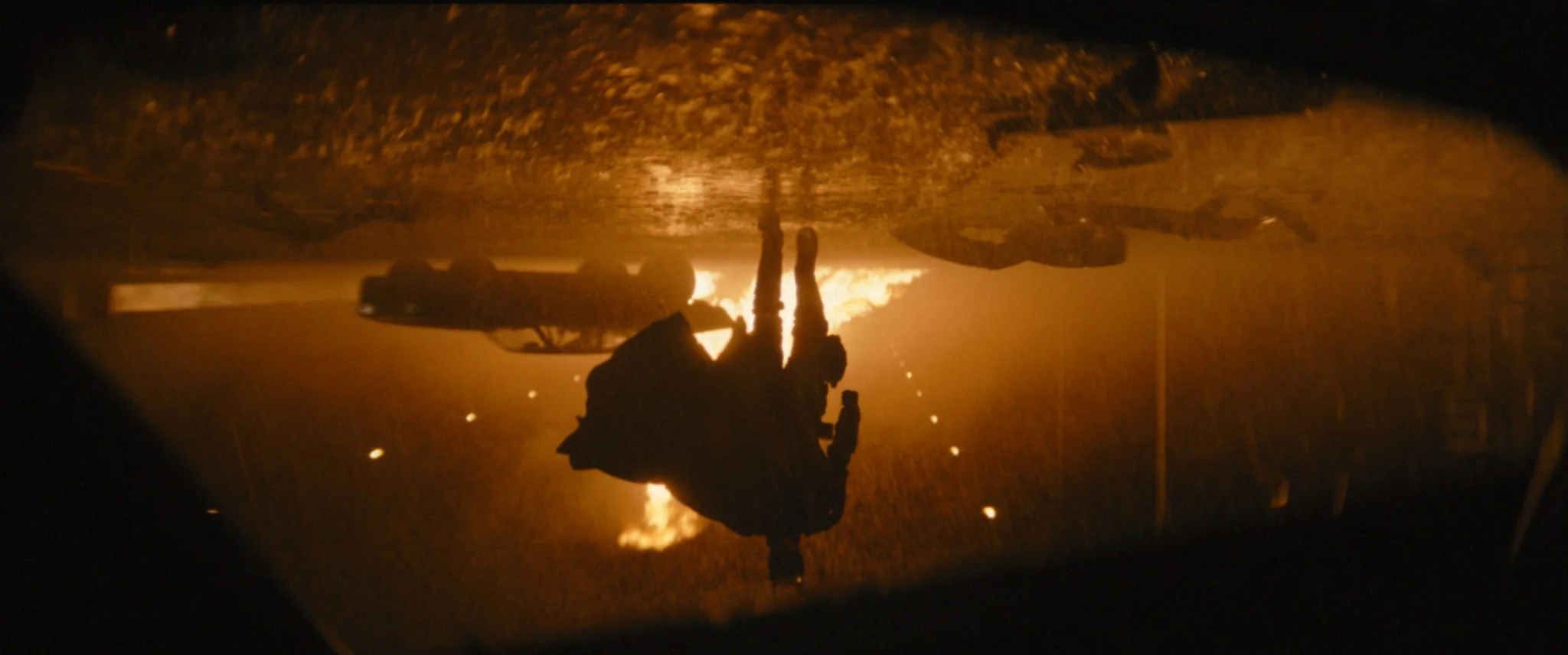
How a film looks is ultimately determined by the choices made by the filmmakers during data collection and post production. Classic films require bold and innovative choices. Unfortunately, in the context of big budget production and Hollywood blockbuster movies, making bold filmmaking choices is risky. Denis Villeneuve’s Dune and Matt Reeve’s Batman are huge successes yet they said their choices might get them fired.
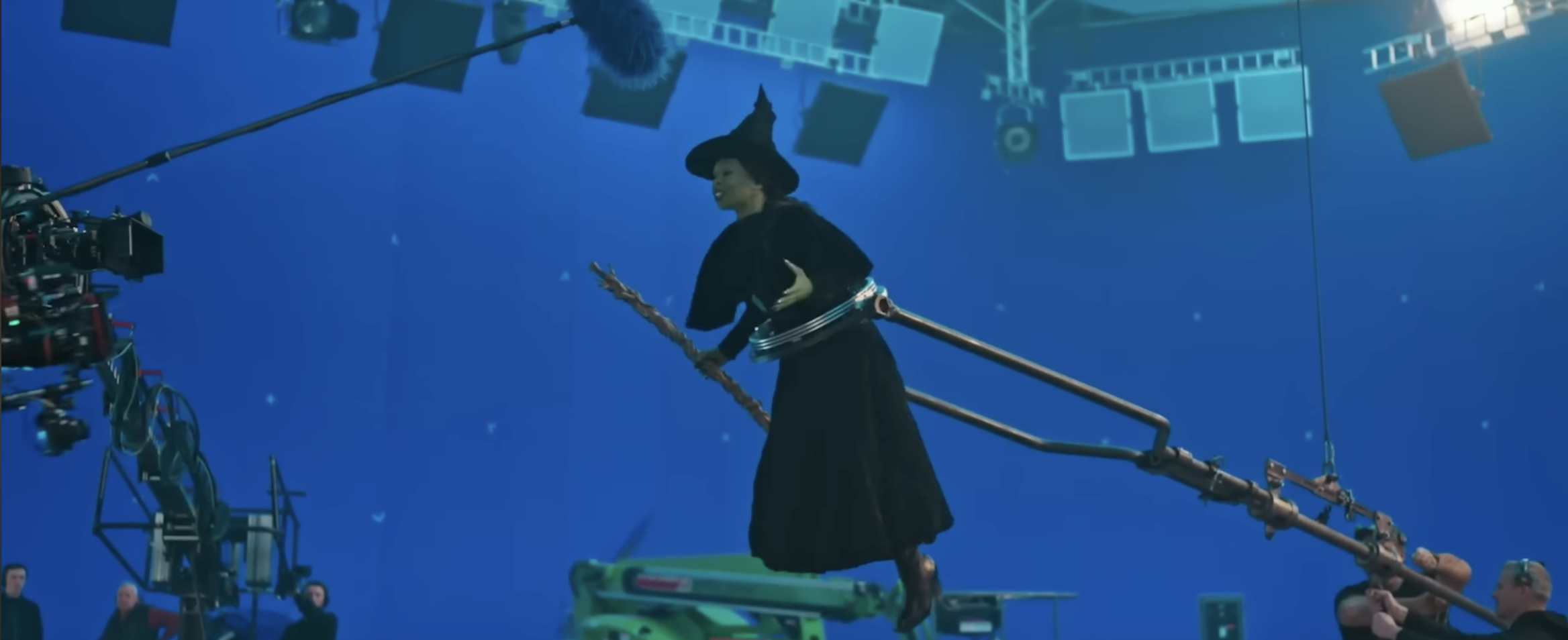
I sympathize with filmmakers’ decision to shoot a film in a way that maximizes their ability to tweak the images in post production. It is often the easiest to shoot a film in a studio lit up by LEDs and surrounded by green-screens. As a result, the films’ lighting looks flat without contrast, the shadows are blown up and the highlights are softened to reveal details. Every single shot is nearly perfectly sharp and clinical.
This is not how we see the world.
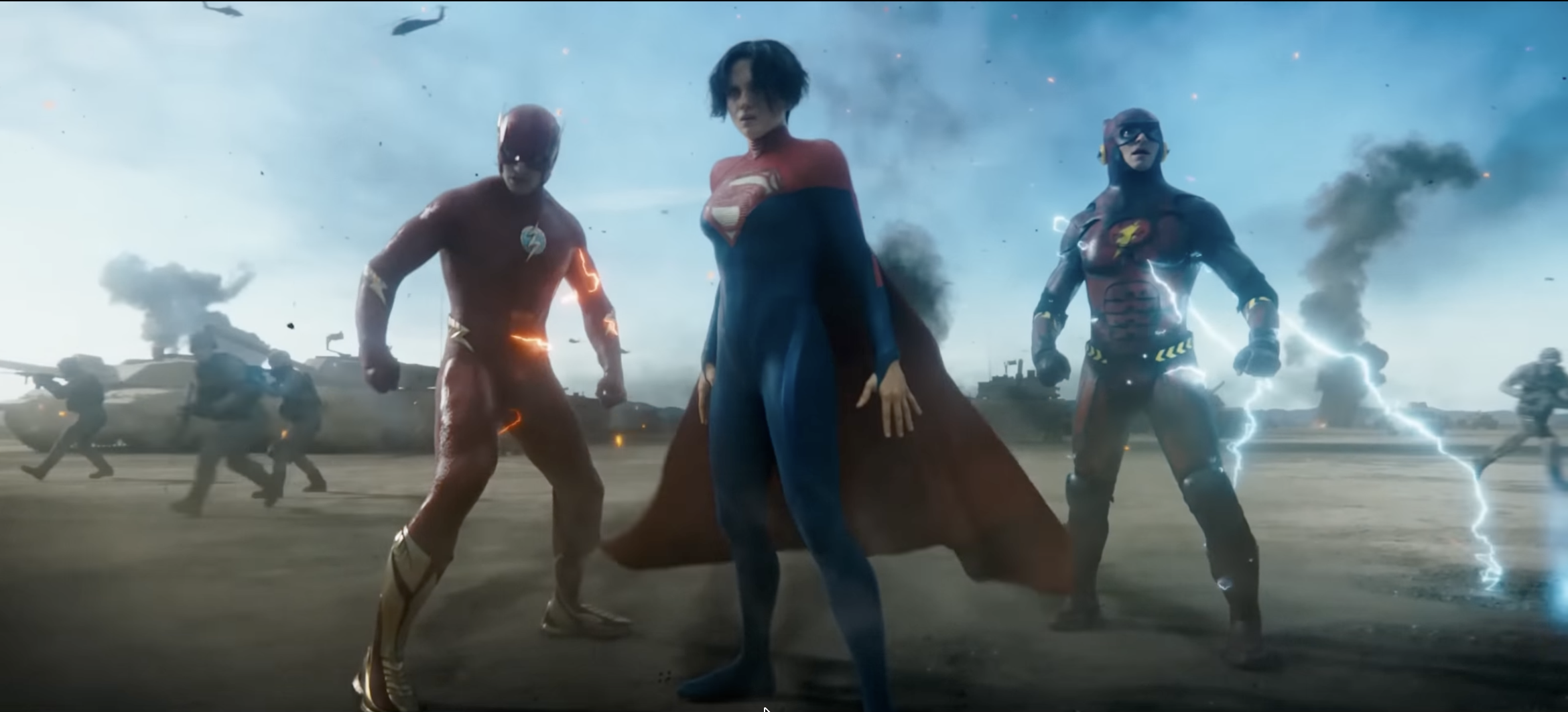
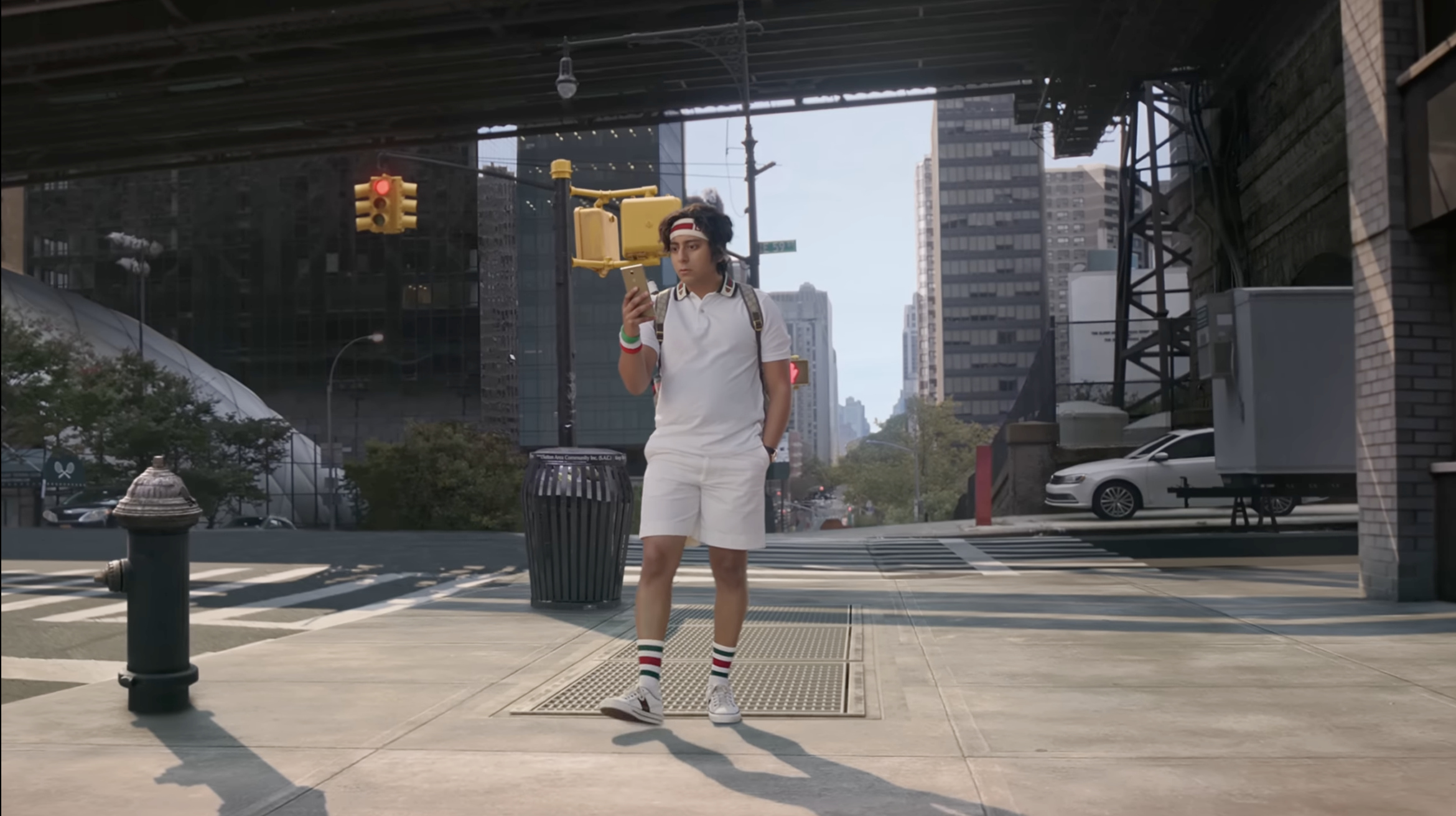
The shadows in the real world are dark and highlights are bright. We squint when we look at the sun and not every detail is visible to the naked eye. Great cinematography is about depth and separation through lighting. The shadows are supposed to be dark and the highlights are supposed to be blinding. Films have lost contrast and thus, authenticity.
One might ask the deeper question: why is such aesthetics becoming mainstream?
The answer is: A lot of people have bad tastes.
Just like there are people who like milky landscape photos, there are people who think being able to see every detail in a scene is cool. Shooting a perfectly sharp film is easy with modern cameras but establishing a style is hard. The use of natural light and colours are the fundamentals of photography and cinematography. The movie Pearl uses colour intentionally. The colour of the wallpaper, main character’s costumes and the door of the chapel are choices the filmmaker made. The movie frames the characters in the mise-en-scène to build tension intensionally. The five-minute take of Mia Goth’s monologue was one of the best things I have seen in recent movies. When was last time we get to see a long uncut take since the movie 1917? When was the last time we get to see a movie with actual vivid colours? Produced by A24 in 2022, it proves that it’s not that we lost the ability to make good cinematography, we simply have lost the courage to make bold choices.
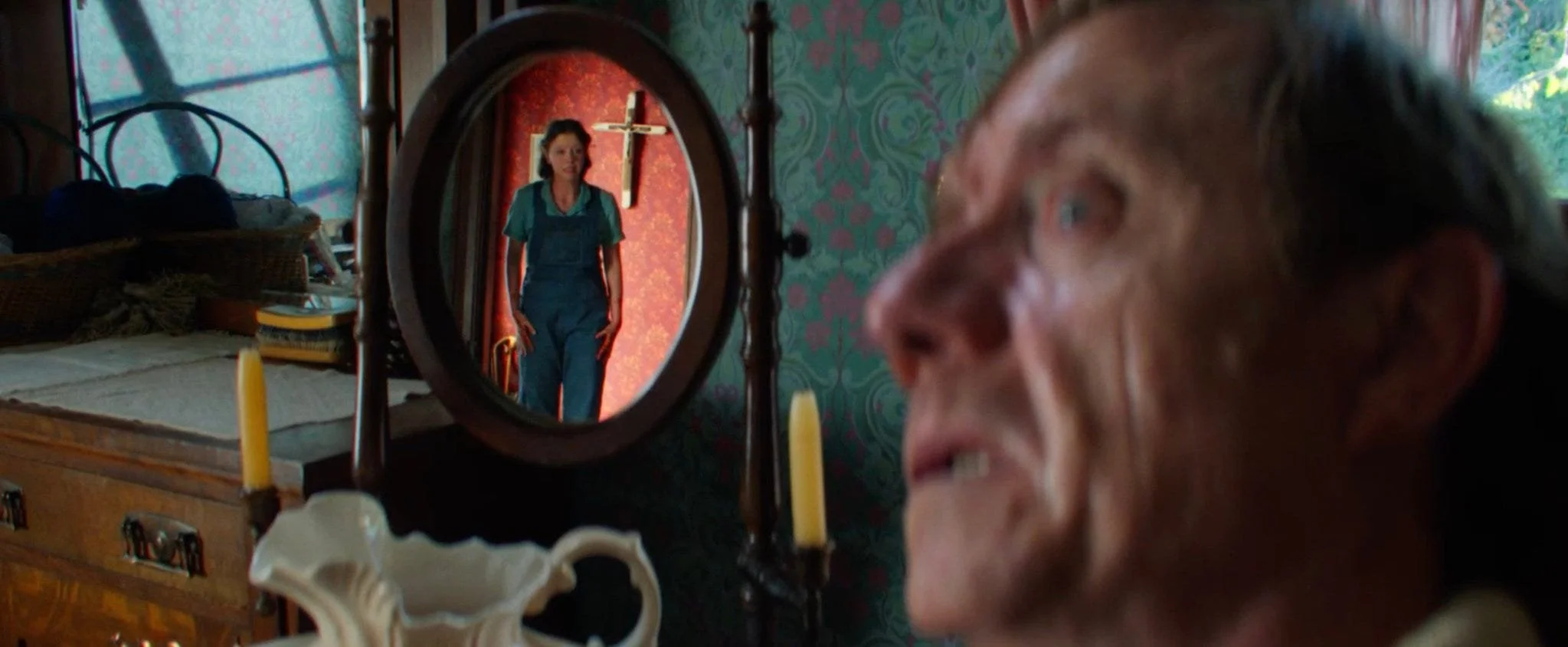
Colours and framing of shots in the Movie Pearl (2022)
Roger Deakins is the master at using natural light: Blade Runner 2049, Sicario, The Assassination of Jesse James by the Coward Robert Ford, 1917… Any one of his movie screenshots can be framed and put on the wall. His cinematography feels realistic and “cinematic” because it’s what our eyes would see. The characters’ faces are usually shadowed and that is because we are not supposed to be able to see them in the bright background. We do not need to see every single one of the actors facial hair.
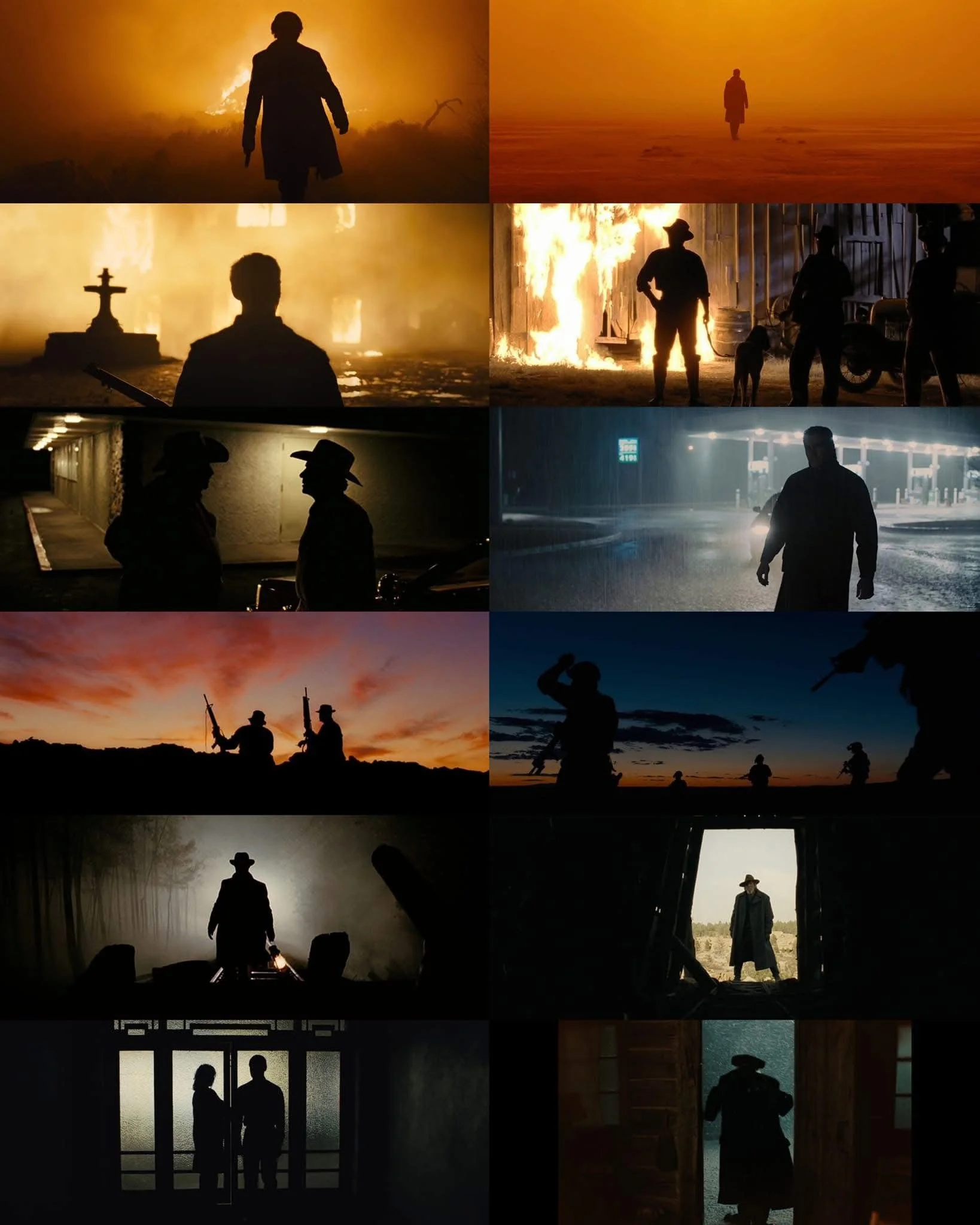
Cinematography by Roger Deakins
Another killer of authenticity is the composition of shots. Modern films have seem to forget about all rules about visual storytelling. The overuse of the shallow depth of field is dizzying. It is almost like the filmmakers are scared to show us the rest of the set. The majority of shots in Stranger Things are semi close-ups of characters talking. Instead of utilizing composition, they resorted to unnatural dialogues as a way of delivering exposition. This is the signatures of lazy filmmaking. It it the avoidance of carefully constructing a scene. By comparison, Dark uses the movements of cameras and intentional framing of objects to facilitate storytelling. Dark has little dialogue, but each line delivered is necessary and important. Dialogues are not bad, it’s the overuse of dialogue that is problematic.
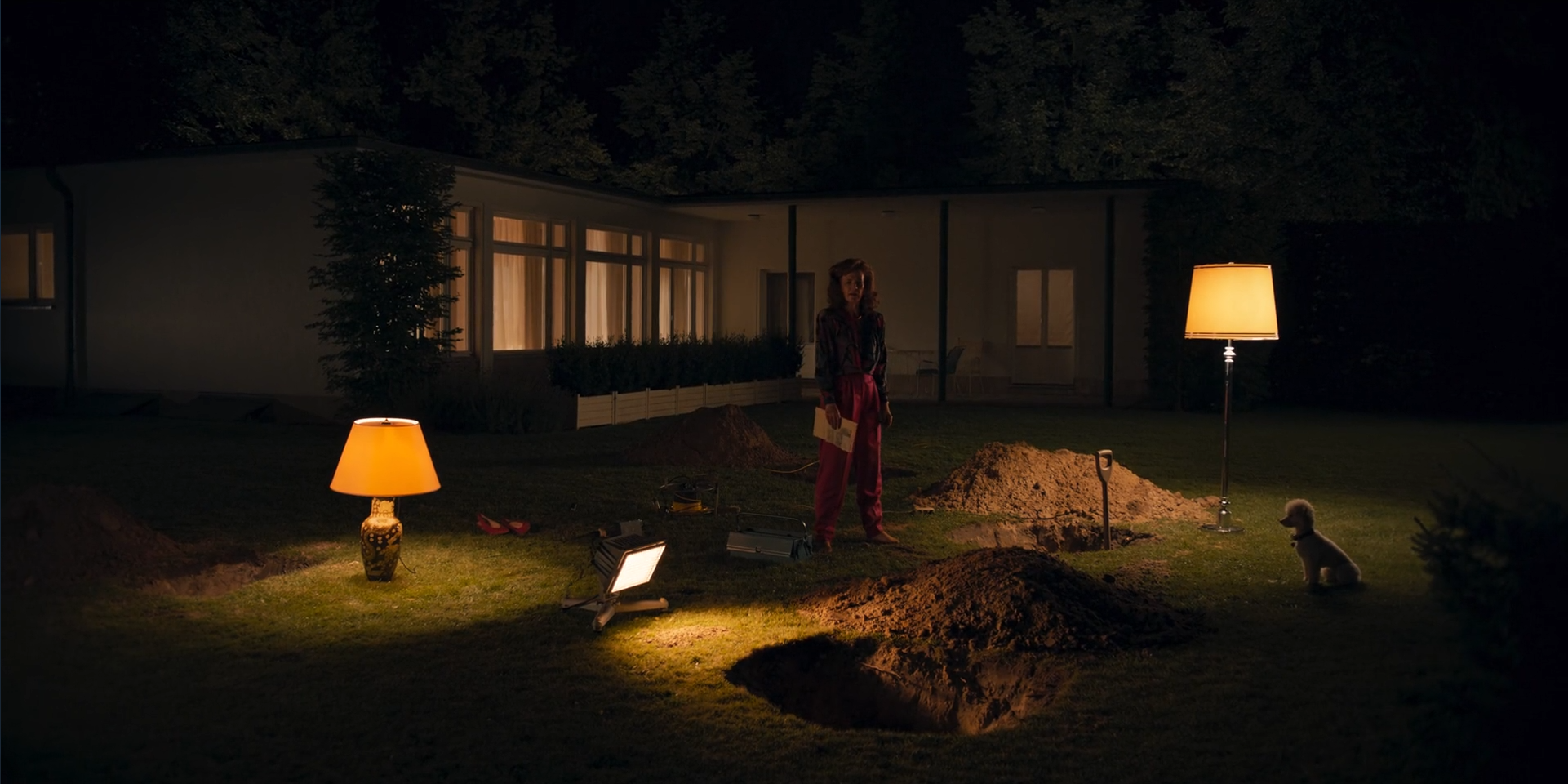
Dark
Why do modern films lack careful composition?
I think one big reason is: the audience has short attention span.
What composition? Can you just tell me exactly what happens already!
In the times of tik-tok videos and instagram reels, our brains desire instant gratification. Television producers know that we do not watch tv shows and films the same way as before.
In fact, there even is a word for it: "Second screening" is the practice of using a secondary device, usually a smartphone, while "simultaneously engaging" with primary content on another screen, such as a TV, said Verdict.
People who watch Netflix "watch from their homes, on couches, in beds, on public transportation, and on toilets" and “often they aren't even watching”. Several screenwriters who've worked for Netflix said that a "common note" from company executives is "have this character announce what they're doing so that viewers who have this programme on in the background can follow along" (the Week) .
It is not surprising that Stranger Things final season is full of useless dialogues.
It’s not that filmmakers don’t know how to make good films anymore. The majority of audience simply doesn’t care about if the film is good. Or even, we don’t know what good films are anymore because we have rarely seen one.
And here we are wondering why almost all the films produced by Netflix are bad.
The sad reality is that such trend is hard to reverse. Attention span is easy to be lost but hard to be gained. To many, sitting through an episode of Dark is difficult. The plot is slow, the scenes are literally dark, dialogues are sparse, story is hard to follow and it is in German. To many, watching Emily in Paris while scrolling through instagram reels is a better use of time.
Why are modern films and TV shows not as good as ones made before?
Because a lot of people have bad tastes.
Maybe this is a trend that is not reversible. Streaming platforms are taking over the film industry and going to the movie theatres has become a rarity for many. We seem to forget that films are made to be seen on the big screens. Films are not just stories that we hear about but experiences we go through. Next time, ditch the phone when you are watching Emily in Paris so your brain notices how bad it is. Go to the theatres and see Christopher Nolan’s films on the biggest screen possible.